
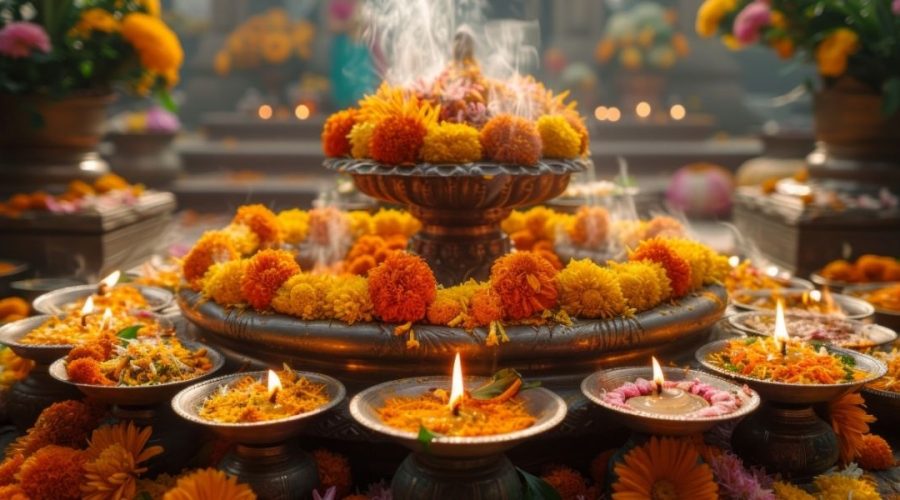
Hindu Funeral Traditions and Their Significance in Singapore
Hindu Funeral Traditions and Their Significance in Singapore
Hindu funerals in Singapore follow age-old rituals designed to honor the deceased and guide their soul to the next life. Understanding these customs helps families and guests participate respectfully while preserving spiritual significance.
1. Immediate Steps After Death
Islam emphasizes the prompt handling of the body. In Singapore:
- Notify a doctor to obtain the Certificate of Cause of Death (CCOD).
- Engage a licensed funeral director familiar with Hindu rites.
- Prompt handling: Cremation is preferred and usually occurs within 24–48 hours, depending on family and religious customs.
2. Preparation of the Body
- The body is washed, dressed in traditional clothes (often white or saffron for males, white for females), and adorned with flowers.
- A turmeric paste may be applied as part of purification rituals.
- Close family members may perform symbolic rites under the guidance of a priest.
3. The Funeral Ceremony
- Priest-led rituals: Include chanting from sacred texts (Vedas), prayers, and offerings to deities.
- Key rites:
- Lighting the funeral pyre or arranging the crematorium ceremony
- Circumambulating the body (symbolic ritual)
- Offering ghee, flowers, and prayers for the soul’s journey
- Role of family: Immediate family often performs final rites under priest supervision to ensure proper spiritual protocol.
4. Cremation
- Cremation is the standard in Hindu funerals, symbolizing liberation of the soul from the physical body.
- In Singapore, cremation usually takes place at Mandai Crematorium or approved facilities.
- The eldest son or close male relative traditionally lights the pyre; in modern practice, crematorium staff may assist.
5. Post-Cremation Rituals
- Ash collection: Ashes are collected after the cremation and may be immersed in a holy river, such as the sea or Ganges (via pilgrimage), or kept in a memorial urn.
- Mourning period: Families observe rituals for 10–13 days, including daily prayers and offerings.
- Annual rites: Some families conduct ceremonies on the death anniversary (Shraddha) to honor the departed soul.
6. Guest Etiquette
- Attire: Simple, modest clothing; white or muted colors are preferred.
- Condolences: Offer words of sympathy; avoid casual or humorous remarks.
- During rituals: Follow guidance of family or priest, refrain from taking photos, and maintain a respectful presence.
Helpful Tips
- Engage a licensed funeral director experienced in Hindu rites.
- Pre-arrange cremation and ceremonial services to avoid last-minute stress.
- Follow priest instructions carefully to ensure proper conduct of rites.
- Support grieving family members with practical help, such as arranging meals or assisting guests.
For more guidance, visit our funeral guide and religious practices overview.
Final Thoughts
Hindu funeral traditions in Singapore combine spiritual, cultural, and family practices to honor the deceased and guide the soul to the next life. Observing these rites respectfully ensures meaningful participation and support for the bereaved family.
Planning a Hindu funeral in Singapore? Explore our religious practices guide and connect with licensed funeral service providers who can help manage every step with care and respect.
